

Gifts of all sizes to the Baylor Parent Fund combine to make such a difference across campus. Supporting the timely response to the needs of our students—from mental and spiritual health to academic resources and physical wellbeing—these funds strengthen the Baylor experience of current and future Bears. Recent examples follow below.
Virtuous Chapel
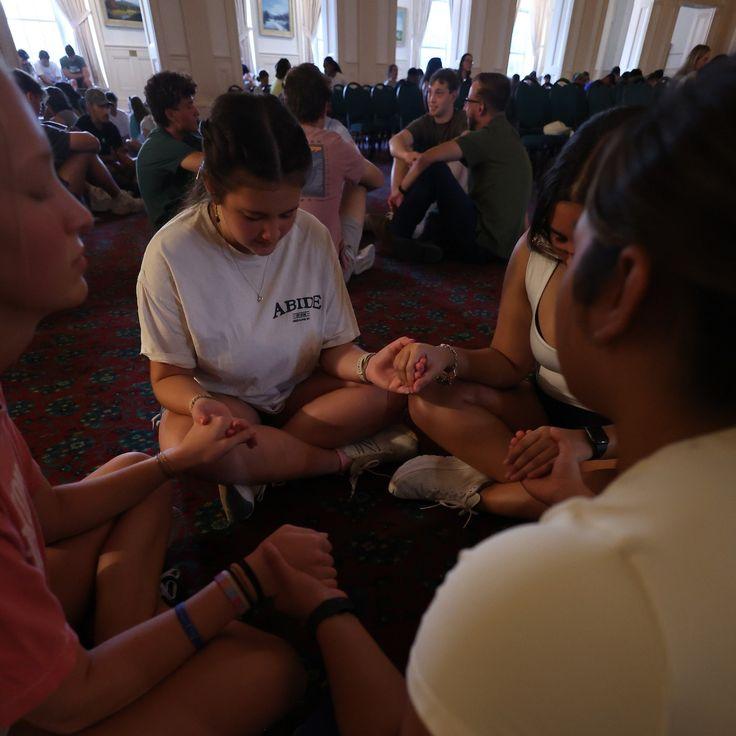
For students seeking to lead at Baylor and beyond, this popular chapel option is based on foundational virtues as an introduction to values in leadership and includes a variety of experiences across campus. A gift from the Baylor Parent Fund provided for these wonderful additions:
Guest Speaker Aundi Kolber presented on Christianity and mental health and whose two books were provided to students.
Stipends for student leaders supported monthly, small group break-out sessions that personalize chapel and provided a venue for deeper engagement with content.
Resources and materials distributed to students enhanced the chapel experience: You Are What You Love by James K.A. Smith, Life Worth Living, by Mirslov Volf, and The Student Leadership Challenge by James Kouzes.
Occasional breakfast and coffee breaks after chapel fostered meaningful fellowship among the large group.
Learn more about Baylor Chapel.
Resilience Courses
Developed with the support of the Baylor Parent Fund, The Science of Thriving Resilience Course (PUBH 1103) empowers stress management and increases resilience through research-based content and practical exercises. Completion of the course lays the groundwork for academic success and wellbeing by teaching students to:
Analyze individual strengths
Utilize health-promoting stress management strategies
Foster a sense of community
Promote individual resilience
Negotiate a social support network of mentors, role models and peers
The course has continued to grow, with multiple sections offered and the partial integration of its content into other classes. Beginning in Fall 2025, it will be available to all students through the Robbins College of Health and Human Services’ Department of Public Health.
Course impact through academic year 2024-25:
Reported | Total % Increased |
Use coping skills | 87% |
Cope with stress | 80% |
Use strengths | 80% |
Meet challenges | 75% |
Reframe negative thinking | 84% |
Participate with peers | 76% |
Feel like you belong | 65% |
Be resilient | 84% |
Carry learning into daily life | 82% |